Geopolitical Risk Explained: The Invisible Threat Shaping 2026

Follow

Published on: 09-01-2026
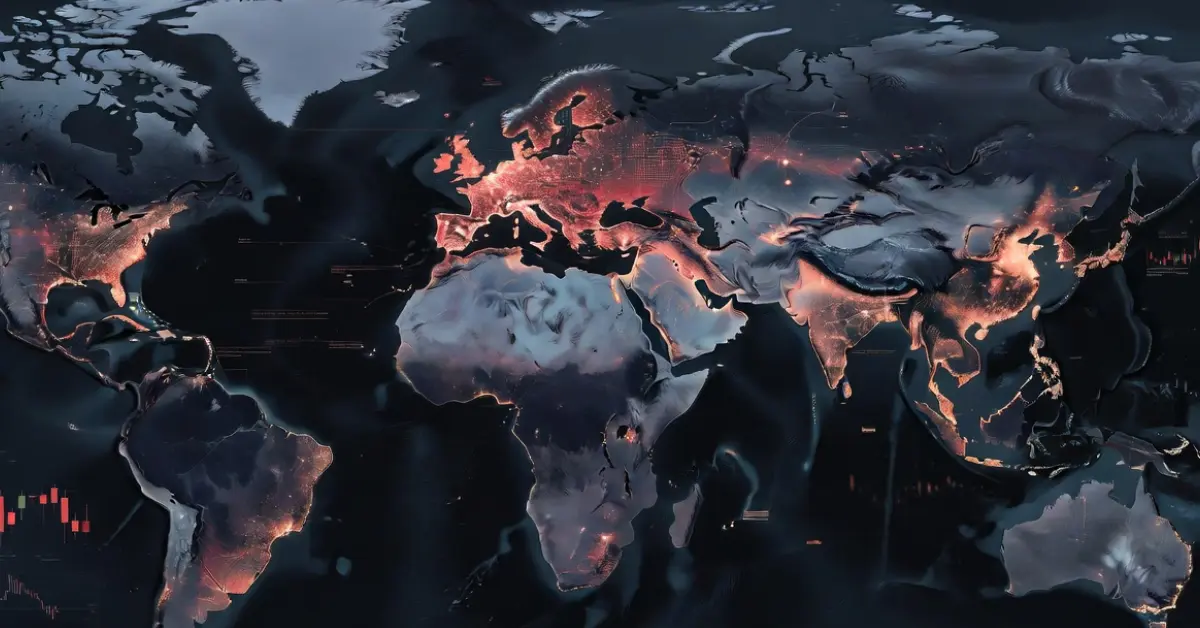
World map highlighting geopolitical risk hotspots affecting global markets, trade routes, and international political stability.

At a Glance — The Essence of Geopolitical Risk :

Geopolitical risk describes the possibility that political actions, conflicts, or tensions between countries will disrupt economies, markets, businesses, or everyday life.
It is not a distant abstraction. It shapes oil prices, supply chains, inflation, investment returns, and even the cost of food on your table.

In this article, you’ll understand:

What businesses, investors, and governments must prepare for as geopolitical risk rises toward 2026

The Quiet Force Behind a Noisy World

On the surface, the world feels louder than ever. Missiles streak across news feeds. Leaders trade warnings in clipped statements. Markets flinch, recover, then flinch again.

Yet beneath the noise lies something colder, more structural: geopolitical uncertainty.

This is not just about war. It’s about borders hardening, alliances fraying, trade routes shifting, and trust dissolving between nations. Geopolitical risk explained clearly is the risk that power—political, military, economic—will be used in ways that disrupt the global system we’ve built since the late 20th century.

In plain terms:

When politics crosses borders, markets listen.

What Is Geopolitical Risk, Really?

A precise geopolitical risk definition would read like this:

Geopolitical risk is the probability that international political events—such as conflict, sanctions, rivalry, or instability—will materially affect economic outcomes, financial markets, or business operations.

It sits at the intersection of:

  • Global political risk
  • International political risk
  • Geopolitical instability

  • Geopolitical tensions between states

Political Risk vs Geopolitical Risk

This distinction matters.

  • Political risk focuses on one country: elections, regulation, regime change.
  • Geopolitical risk emerges between countries: conflict, sanctions, trade wars, military posturing.

A tax reform is political risk.
A semiconductor embargo between major powers is geopolitical risk.

How Experts Measure the Unmeasurable

You cannot weigh fear on a scale—but you can track its signals.

The Rise of Geopolitical Risk Indices

Economists and strategists use tools like the geopolitical risk index (GPR index) to quantify global tension. These indices analyze:

  • News coverage of conflict and threats
  • Frequency of terms linked to war, sanctions, and instability
  • Market reactions to geopolitical shocks

Alongside the GPR index, institutions rely on:

  • Geopolitical risk indicators
  • Country risk indicators
  • Composite geopolitical risk scores

Together, they form the backbone of modern political risk assessment and geopolitical risk analysis.

Common Metrics Used

Metric Type

What It Captures

Why It Matters

GPR Index

Global tension signals in media

Tracks risk sentiment over time

Country Risk Indicators

Political stability, governance

Guides investment decisions

Market Volatility

Investor reaction to shocks

Reveals pricing of fear

Trade Flow Disruptions

Sanctions, blockades

Signals systemic stress

When Geopolitics Hits the Economy

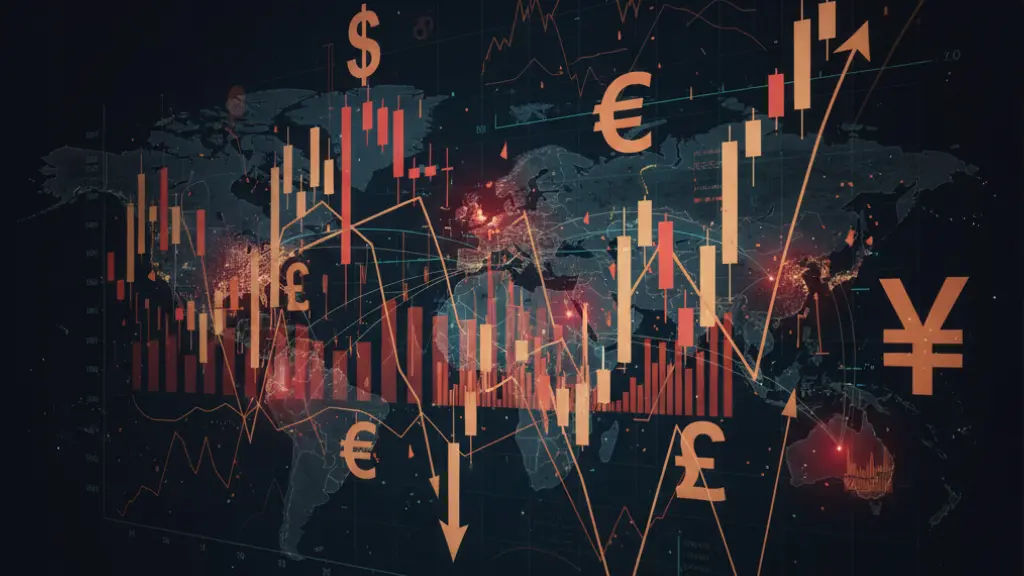
Illustration showing how geopolitical risk affects stock markets, oil prices, inflation, and global trade flows.
Markets react instantly to geopolitical shocks—pricing uncertainty long before political outcomes are clear.

History is clear: geopolitical risk impact on the economy is real, measurable, and often underestimated.


Markets Feel It First

Periods of elevated geopolitical risk tend to coincide with:

  • Increased market volatility driven by geopolitics
  • Weakening equity returns
  • Capital flight from emerging markets
  • Rising demand for safe assets

This is why geopolitical risk and stock markets are inseparable.

Inflation, Oil, and Trade

Geopolitics doesn’t just move charts—it moves prices.

  • Geopolitical risk and oil prices: Conflict near energy corridors drives supply fears.
  • Geopolitical risk and inflation: Trade disruptions and sanctions raise costs.
  • Geopolitical risk and global trade: Fragmentation slows globalization.

These ripple effects define modern geopolitical shocks—sudden events that reprice the future overnight.

Inside the Boardroom: Why Businesses Now Obsess Over Geopolitics

Ten years ago, geopolitics lived in government briefings. Today, it sits in the boardroom.

Geopolitical Risk for Businesses

Executives now plan for:

  • Supply chain geopolitical risk
  • Regulatory retaliation across borders
  • Sanctions risk exposure
  • Talent mobility restrictions
  • Cyber warfare geopolitical risk

This has given rise to formal geopolitical risk management and geopolitical risk consulting practices.

The Corporate Playbook

Modern firms deploy a geopolitical risk framework built on:

  1. Mapping geographic exposure
  2. Stress-testing revenue and suppliers
  3. Building redundancy into logistics
  4. Integrating geopolitics into enterprise risk management

Managing political risk is no longer optional—it is existential.

Investors and the Price of Tension

In finance, fear has a name: risk premium.

How Investors Price Geopolitical Risk

When uncertainty rises, investors demand compensation. This appears as:

  • A higher geopolitical risk premium
  • Rotation into safe haven assets like gold or government bonds
  • Reduced appetite for long-duration or emerging-market assets

This is the logic behind geopolitical risk investing and geopolitical diversification.

No portfolio is geopolitics-proof. Some are merely better prepared.

A World Dividing by Design

Zoom out, and a pattern emerges.

We are entering an era of:

  • Great power competition

  • Geopolitical fragmentation

  • Economic decoupling risk

  • A more pronounced multipolar world

Regional Fault Lines

  • Geopolitical risk China–US: Technology, trade, and power rivalry

  • Geopolitical risk Russia–Ukraine: Energy, security, and European stability

  • Geopolitical risk Middle East: Energy security and regional spillovers

  • Geopolitical risk Indo-Pacific: Military balance and trade routes

  • Geopolitical risk in emerging markets: Capital sensitivity to global shocks

The future of geopolitics is not global chaos—but selective disconnection.

Looking Ahead: Geopolitical Risk Toward 2026

All signs point to rising geopolitical risk.

Not because the world is more violent—but because it is more interdependent and mistrustful at the same time.

The global risk outlook suggests:

  • More frequent but contained geopolitical shocks
  • Persistent pressure on global trade integration
  • Higher baseline uncertainty for markets and policy
  • Security and economics merging into one discipline

This is the future of geopolitics: quieter than war, louder than peace.

Final Thought: Learning to Live with Risk

Geopolitical risk is not a passing storm. It is the new climate.

Those who thrive will not be the ones who predict every crisis—but those who design systems resilient enough to absorb them.

Understanding what geopolitical risk actually means is no longer the domain of diplomats alone.
It is the literacy of modern life.

Frequently Asked Questions (FAQ)

1. What causes geopolitical risk?

Geopolitical risk arises from conflicts, power rivalries, sanctions, trade disputes, political instability, and strategic competition between countries.

2. Is geopolitical risk increasing globally?

Yes. Most indicators show rising geopolitical risk driven by multipolar competition, economic fragmentation, and security tensions.

3. How does geopolitical risk affect financial markets?

It increases volatility, raises risk premiums, shifts investor sentiment, and often leads to capital moving toward safe-haven assets.

4. Can businesses manage geopolitical risk effectively?

Yes—through diversified supply chains, scenario planning, political risk assessment, and integrated enterprise risk frameworks.

5. What is the difference between country risk and geopolitical risk?

Country risk focuses on internal conditions within one nation. Geopolitical risk focuses on interactions and tensions between multiple nations.

Neel Murphy

Neel covers the shifting currents of business, finance, and global economics with a steady, analytical voice. His work examines how policy, markets, and enterprise intersect to shape the modern world. Drawing on a broad understanding of economic trends, Neel brings measured insight and clarity to the forces driving growth, risk, and change.

Disclaimer:

Disclosure: This article is for general information only and is based on publicly available sources. We aim for accuracy but can’t guarantee it. The views expressed are the author’s and may not reflect those of the publication. Some content was created with help from AI and reviewed by a human for clarity and accuracy. We value transparency and encourage readers to verify important details. This article may include affiliate links. If you buy something through them, we may earn a small commission — at no extra cost to you. All information is carefully selected and reviewed to ensure it’s helpful and trustworthy.

6 responses

  1. aaabet77 Avatar

    AAABET77, not gonna lie, it’s pretty slick. The interface is clean and they’ve got a good range of games. Had a few wins here so I’m happy! aaabet77

  2. hello88discount Avatar

    Yo! Deals are my weakness, haha! Found hello88discount and, as the name suggests, it promises some sweet discounts. Gonna dig a little deeper to see if it’s legit, but the initial impression is good. Anyone else tried it yet? Find the discounts here: hello88discount

  3. x888bet Avatar

    Alright lads, gave x888bet a whirl. User experience is alright, they could do with some design changes, though. Here’s the link in case anyone wants to give it a go: x888bet

  4. 11aavip Avatar

    11aavip. VIP, huh? Gotta see if the VIP treatment is actually VIP or just a marketing gimmick. Hoping for personalized service! 11aavip

  5. […] global dominance transition looks like geopolitical fragmentation on the surface. Underneath, it’s a recalibration: states trading absolute control for strategic […]

  6. […] systems magnify geopolitical risk perception — not necessarily because the world is objectively more dangerous, but because negative signals […]

Leave a Comment

The World’s Heartbeat, Billions Pulse exists to capture those beats — the rhythm of our shared human story.

Follow Us On Social Media

Get Latest Update On Social Media