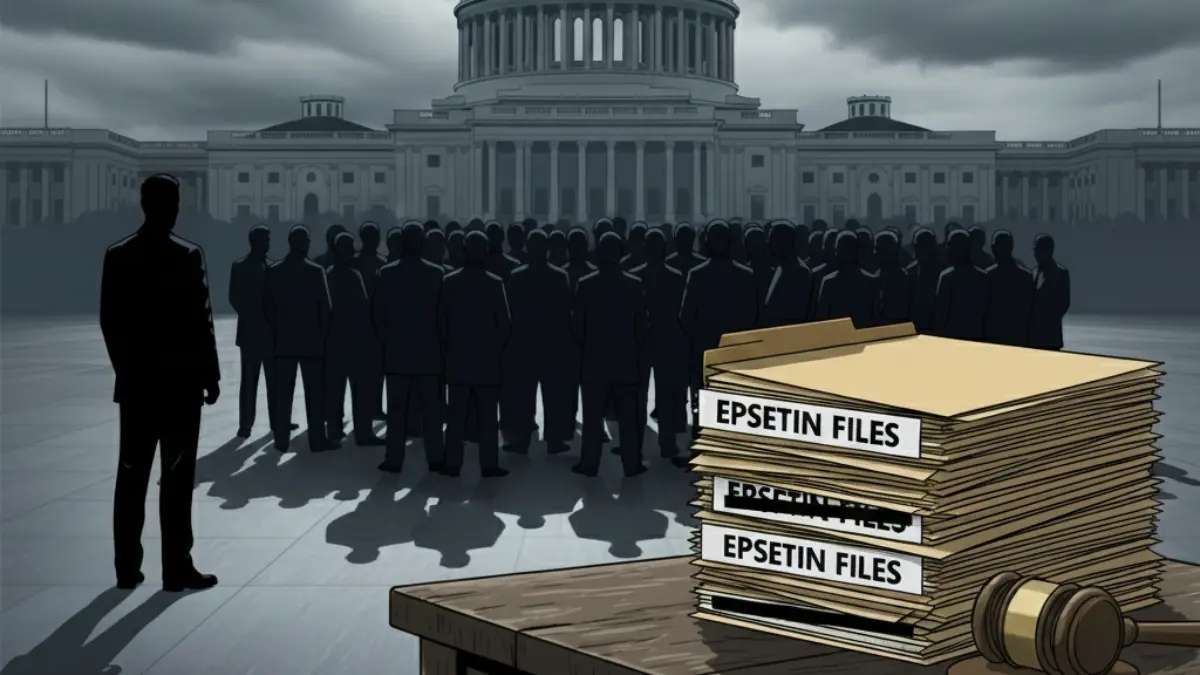
Clay Higgins’ Shocking Lone Vote Against Epstein Files: The Disturbing Truth Behind His Opposition

Follow

Published on: 20-11-2025
Clay Higgins lone vote against Epstein Files Transparency Act showing 427-1 House vote tally with U.S. Capitol building background

Summary-

 Louisiana Representative Clay Higgins cast the sole dissenting vote against the Epstein Files Transparency Act on November 18, 2025, in a historic 427-1 House vote. The irony? Higgins chairs the very House Oversight subcommittee investigating Jeffrey Epstein’s files. While he claims to protect “innocent people,” critics argue he’s protecting institutional control over politically explosive information that could expose powerful figures in Epstein’s network.

There’s a photograph somewhere of Clay Higgins capturing a moment he wanted preserved for history. On his phone screen: a House vote tally showing 427 to 1. Four hundred and twenty-seven members of Congress—Republicans and Democrats alike—voted to release every unclassified document related to Jeffrey Epstein’s sex trafficking operation. One hand remained raised in opposition. His own.

But here’s what that photograph doesn’t show: The man documenting his lone dissent chairs the House Oversight Federal Law Enforcement Subcommittee that’s been investigating these very files. Clay Higgins isn’t some outsider protecting principle. He’s the insider protecting the gates.

The Gatekeeper's Paradox

The Epstein Files Transparency Act seemed destined for unanimous passage. Survivors of Epstein’s abuse sat in the Capitol gallery, some clutching photographs of themselves as children—tangible evidence of stolen innocence. The bill required the Department of Justice to release all unclassified Epstein-related records within 30 days: flight logs, investigative documents, communications about the controversial 2008 plea deal, and names of individuals connected to the trafficking network.

The House vote Epstein files received was overwhelming. Even Speaker Mike Johnson, who had delayed the vote for months citing concerns about “innocent people,” ultimately voted yes. President Trump, who had publicly opposed release through his Attorney General Pam Bondi, reversed course and promised to sign.


Everyone folded except Higgins.

His reasoning? The Clay Higgins Epstein files vote came down to protecting what he called “thousands of innocent people”—witnesses, family members, those who provided alibis. In a statement, he declared: “This bill abandons 250 years of criminal justice procedure.” He claimed the Epstein files release 2025 would expose innocents to a “rabid media.”

Noble concern, perhaps. Except the bill already includes comprehensive protections for victims, witnesses, and whistleblowers. As Lauren Hersh of World Without Exploitation pointed out, the only people the legislation doesn’t protect are “powerful adults connected to Epstein’s criminal activities.”

So who’s really being protected here?
The Investigation He Controls

Higgins hasn’t been shy about his committee’s Epstein probe. He’s called it “fascinating stuff” and proudly announced his role as lead investigator. His subcommittee has released over 60,000 pages of documents, which sounds impressive—until you ask who decides what gets released and when.

The answer: His committee.

Here’s where the Clay Higgins controversial history intersects with institutional power. When Democrats on his own subcommittee pushed to issue a Department of Justice subpoena for Epstein files, Higgins opposed it. He only agreed when he could maintain committee control over the process. He specifically targeted Bill Clinton for subpoena but remained conspicuously silent about subpoenaing Donald Trump, despite Trump’s well-documented social connections to Epstein.

This pattern reveals something uncomfortable: Committee-controlled investigations allow selective disclosure. Higgins’ preferred approach—methodical committee releases with “proper procedures”—sounds responsible until you realize it means indefinite timelines, political discretion over targets, and zero legal mandate to release anything specific.

The Thomas Massie discharge petition that forced this vote exists precisely because leadership-controlled processes can become accountability black holes.

What "Trust the Process" Really Means

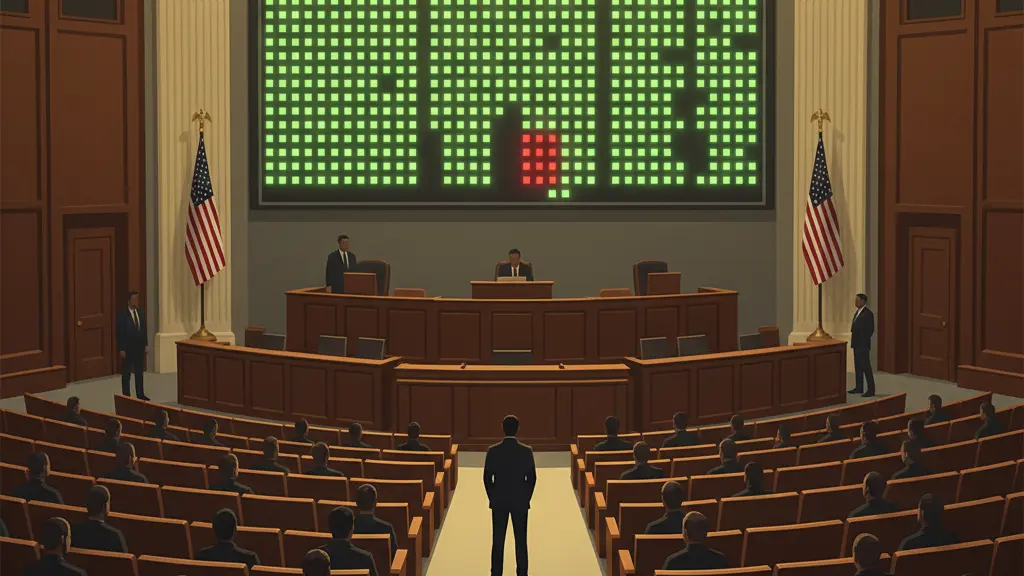
House voting board showing one ‘no’ vote among hundreds of ‘yes’ votes, symbolizing Clay Higgins’ lone dissent.

Congressional oversight sounds reassuring. Expert committees reviewing sensitive documents, protecting the innocent, following established procedures. But committees aren’t neutral arbiters—they’re political bodies led by partisan chairs with institutional interests.

Compare Higgins’ preferred method with what the Epstein Files Transparency Act actually does:

Committee Process:

  • Indefinite timeline
  • Chair controls what gets released
  • Selective political targeting possible
  • No enforcement if documents simply don’t emerge
  • Public gets periodic drips, not comprehensive disclosure

The Bill:

  • Legally mandated 30-day release
  • Victim and witness protections codified
  • Congress receives reports on what’s withheld and why
  • Specific categories must be disclosed
  • Public accountability, not institutional discretion

The Jeffrey Epstein documents release under the bill’s framework removes gatekeeping power. And that might be exactly what Higgins opposes.

The Man Who Presumes Guilt—Except Now

Higgins’ sudden concern for due process carries a particular irony given his background. Before Congress, he was the “Cajun John Wayne”—a Louisiana law enforcement officer whose viral Crime Stoppers videos presumed suspects’ guilt with dramatic flair. He’d narrate cases like movie trailers, treating accused individuals as convicted criminals.

That career ended in controversy. He resigned from Opelousas Police in 2007 after striking a handcuffed Black suspect and lying during the investigation. He left the St. Landry Parish Sheriff’s Office in 2016 amid violations including unauthorized use of his uniform for profit.

Throughout his congressional tenure, Higgins has maintained a tough-on-crime persona—until the Epstein files. Suddenly, the man who built a career on public presumption of guilt is deeply worried about protecting the reputations of powerful adults potentially connected to a sex trafficking operation.

The shift is jarring.

What the Survivors Say

While Higgins worried about embarrassing powerful people, survivors of Epstein’s abuse told a different story. Jena-Lisa Jones stood before reporters holding a photograph of herself at fourteen. “I was a child,” she said. “He stole a lot from me.”

These survivors fought for years—through two presidential administrations, multiple Attorneys General, and endless bureaucratic delays—for accountability. The Epstein files bill details specifically addressed their concerns: protect victims, expose perpetrators, end the two-tiered justice system that let Epstein operate for decades.

Hersh’s critique of Higgins cut to the bone: He treats the “potential embarrassment” of powerful adults as equivalent to protecting innocent people. His statement mentioned witnesses and family members but never once referenced the girls who were trafficked, abused, and silenced.

That omission speaks volumes about whose interests he’s actually defending.

The Broader Pattern

Higgins’ career shows a consistent thread: controlling information while holding positions of authority. From police investigations to congressional probes, he positions himself as the arbiter of what the public should know.

His controversial moments—filming himself narrating inside Auschwitz gas chambers, posting content Facebook removed for threatening violence, promoting January 6 conspiracy theories—all share a common element: acting as if normal rules and institutional norms don’t apply to him.

The who voted against Epstein files question reveals this pattern at its starkest. When 427 colleagues from both parties found the bill acceptable, when survivors pleaded for transparency, when even the Trump administration relented, Higgins stood alone.

Not because the bill lacked protections. Not because procedure demanded it. But because comprehensive, legally mandated release removes his discretion as gatekeeper.

The Questions That Remain

As subcommittee chair, Higgins has access to information most Americans don’t. So ask yourself:

What’s in the documents his committee possesses but hasn’t released? Why did 60,000 pages take months to emerge when DOJ already had them? What criteria determines his committee’s releases? Who approves redactions? Has he read the full files—and if so, what did he learn that made him vote no?

These questions matter because they expose the difference between congressional “oversight” and actual accountability. One investigates to inform the public. The other investigates to control information.

The Epstein Files Transparency Act passed anyway. It reached Trump’s desk with veto-proof majorities in both chambers. Within 30 days of signing, Americans should see comprehensive disclosure of one of the most disturbing criminal networks in modern history.

Should. That word carries weight. The bill includes a loophole: documents can be withheld if they’d jeopardize “active federal investigations.” Conveniently, the Trump administration has suddenly opened multiple new Epstein-related investigations post-vote. Representative Thomas Massie, who led the discharge petition effort, warned they might use these investigations “as a predicate for not releasing the files.”

The Photograph and What It Reveals

That image of Higgins capturing the 427-1 vote tally tells a story, just not the one he intended. It shows a congressman who chairs the committee investigating Epstein opposing transparency when it would remove his institutional control. It reveals someone more concerned with protecting powerful adults from embarrassment than delivering justice to trafficking survivors.

Most tellingly, it exposes the gap between congressional oversight theater and genuine accountability.

Higgins wants to investigate Epstein. He just doesn’t want you to see what he finds—at least not without his committee deciding what you’re ready to know, when you’re ready to know it, and how it should be framed.

In the end, transparency isn’t about trusting investigators to do the right thing. It’s about not needing to trust them at all. Four hundred and twenty-seven members of Congress understood that. One photographed his dissent instead.

The files are coming—maybe. But the real revelation has already arrived: Sometimes the biggest obstacle to accountability isn’t secrecy. It’s the gatekeepers who insist only they can handle the truth.

FAQs

Why did Clay Higgins vote against the Epstein Files Transparency Act?
Higgins claimed the bill would harm “innocent people” including witnesses and family members, despite the legislation containing specific protections for these groups. Critics argue his real concern is losing committee control over politically sensitive information.

What does the Epstein Files Transparency Act require?
The bill mandates the Department of Justice release all unclassified Epstein-related documents within 30 days, including flight logs, investigative records, and names of individuals connected to the trafficking network, while protecting victim privacy.

Who is Clay Higgins?
Higgins represents Louisiana’s 3rd District and chairs the House Oversight Federal Law Enforcement Subcommittee. A former law enforcement officer with a controversial history, he’s known for tough-on-crime rhetoric and membership in the ultra-conservative Freedom Caucus.

Will the Epstein files actually be released?
The bill passed with veto-proof majorities and awaits Trump’s signature. However, a loophole allows withholding documents for “active investigations”—and the administration has suddenly opened several new Epstein probes post-vote, raising concerns about delayed or blocked releases.

Sagar Roy

Sagar is a contributing writer known for insightful coverage of global affairs, technology, and financial trends. With a background in news analysis and cross-border reporting, Sagar delivers timely perspectives on complex issues shaping today’s world. He is passionate about bringing clarity and depth to emerging topics in international politics, digital innovation, and business strategy.

Disclaimer:

Disclosure: This article is for general information only and is based on publicly available sources. We aim for accuracy but can’t guarantee it. The views expressed are the author’s and may not reflect those of the publication. Some content was created with help from AI and reviewed by a human for clarity and accuracy. We value transparency and encourage readers to verify important details. This article may include affiliate links. If you buy something through them, we may earn a small commission — at no extra cost to you. All information is carefully selected and reviewed to ensure it’s helpful and trustworthy.

4 responses

  1. c54game8 Avatar

    Alright, giving c54game8 a go tonight. Their game selection seems pretty varied. I dig the vibe. Will report back if I strike gold. Check it out too c54game8, Let the games begin!

  2. uuu555 Avatar

    Yo, check out uuu555! Solid selection of games. I was skeptical at first, but I won a few bucks, so I’m happy. Give them a try! Learn more at: uuu555

  3. 3lgame Avatar

    Alright gamers, 3lgame’s got some pretty cool games, some of the games are pretty addicting. It’s all good. Check it out! : 3lgame

  4. brrbet33 Avatar

    Okay okay, I found another betting site brrbet33 and I thought it was amazing and fantastic. It’s a fun place to spend time with your family. Check it: brrbet33

Leave a Comment

The World’s Heartbeat, Billions Pulse exists to capture those beats — the rhythm of our shared human story.

Follow Us On Social Media

Get Latest Update On Social Media