

Summary:
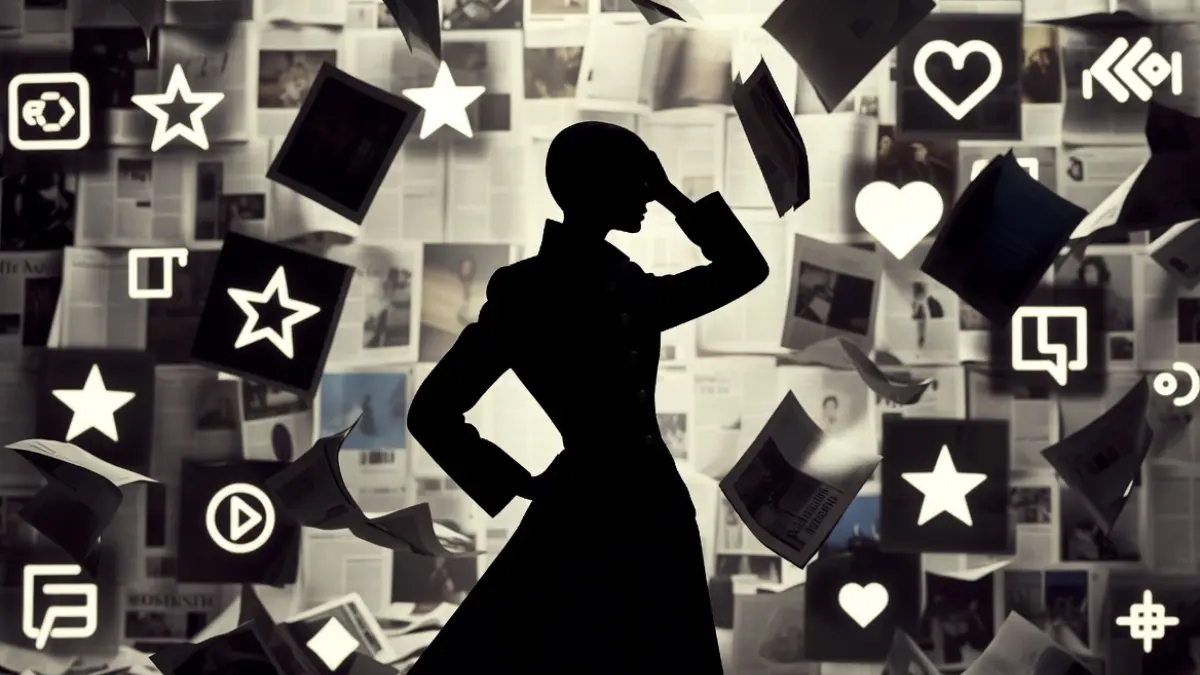
The world that The Devil Wears Prada 2 satirized—glossy magazine empires, editor-in-chief monarchies, and the elite of fashion’s print era—has fallen apart by the time the sequel is released. This follow-up has a unique chance to examine how icons like Miranda Priestly would function in a field run by algorithms rather than editors, highlight the emergence of creators and digital influencers, and reflect the decline of traditional fashion media power. By examining what authority means in a time when every scroll alters taste, the film can be seen as both a cultural critique and a cinematic prophecy, capturing the decline of the old guard of fashion.
The Return of Miranda in a World That No Longer Bows
The air is rising with a poetic sting.
Once the steadfast North Star of fashion journalism, Miranda Priestly makes a comeback in The Devil Wears Prada 2 at a time when her entire business is in ruins. Magazines had divine authority when the original was published in 2006. Every magazine is a cathedral of influence, including Vogue, Harper’s Bazaar, Elle, Marie Claire, W, and Glamour. Editors were cultural architects as well as tastemakers.
However, in 2025?
The empire has vanished.
The crown is corroding.
The runway no longer leads to Paris.
TikTok is the end result.
And so the sequel arrives with an unintended brilliance: as a mirror held up to an industry trying to remember its own reflection.
The Fall of Fashion’s Old Guard: How the Empire Crumbled
The decline didn’t happen overnight. It was a slow, almost Shakespearean unraveling—an industry too glamorous to believe in its own mortality.
1. Print Magazines Lost Their Throne
Over the past decade, the readership that once worshiped glossy covers migrated to:
- Instagram Reels
- TikTok micro-trends
- YouTube fashion breakdowns
- Creator-led newsletters
- AI-generated stylistic predictions
The magazine that once made or broke designers now struggles to justify its paper weight.
2. Advertising Money Left the Building
Luxury brands followed the eyeballs.
They poured budgets into:
- Influencer partnerships
- Sneaker drops on TikTok Shop
- Virtual runway shows
- AI fashion collaborations
- Micro-influencer networks
Print revenue collapsed, and with it, editorial autonomy.
Editors Lost Their Aura
The great editors—once the arbiters of taste—are now competing with:
17-year-old creators in their bedrooms
- Digital stylists
- Algorithm-driven outfit generators
- Trend forecasters tracking virality, not vision
The editor’s eye no longer rules the culture.
The algorithm does.
What Does Miranda Priestly Look Like in 2026?
Sequel must answer this central dramatic question.
Miranda always symbolized fashion’s elite’s flawless control. How does a gatekeeper survive in a world with blown-off gates?
Possibility 1: Miranda as Last Queen of Fallen Kingdom
Woman defending legacy in a devalued landscape.
Possible 2: Miranda Fighting Irrelevance as a Relic
Time, not rivals, weakened her.
Possibility 3: Miranda Reborn—A Digital Monarch
She evolves.
She adapts.
She becomes terrifyingly modern.
A hybrid of Anna Wintour and the viral-savvy strategists shaping fashion’s algorithmic future.
The Rise of Influencers: Fashion’s New Royal Court
Runway magazine set trends; TikTok explodes them.
In this new regime:
Trends last 72h
Microtrends like coquette, mob wife, clean girl, and blokette rule seasons.
Brand quarterly revenue can increase with one influencer.
Creators with 300k followers are more important than 30-year editors.
The Devil Wears Prada 2 must navigate a world where Miranda’s perfect silence is no match for the internet’s chaos.
Andy Sachs in the Creator Economy: The Evolution of a Protagonist
Andy’s character offers perhaps the richest opportunity for transformation.
In 2006, she wanted to be a “real journalist.”
In 2026, journalism is an gig-economy gladiator sport.
What would Andy be today?
- A podcast host dissecting fashion politics
- A Substack writer with a cult following
- A documentary filmmaker investigating sustainability
- A digital critic covering the ethics of AI-generated fashion
- A hybrid writer-creator navigating the modern media economy
Her career becomes the anchor through which the film can explore:
- the fall of traditional newsrooms
- the rise of independent storytelling
- the struggles of creative workers in an unstable economy
Andy reflects us—those navigating careers in a world where everything has changed except the hunger to create.
Emily Charlton: The Survivor of Luxury’s Corporate Jungle
Emily is one of the most intriguing characters in today’s world.
Her tenacity—a woman molded by desperation, ambition, and unadulterated loyalty—was alluded to in the first movie. In order for the sequel to be truthful, Emily should now be:
An influential figure in a luxury conglomerate such as Kering or LVMH
Managing influencer partnerships as a VP of global strategy
A gatekeeper who combines viral culture with heritage brands
Emily, who continues to pursue beauty but now uses it as a weapon, serves as a link between the old and the new worlds.
Runway Magazine in 2026: A Symbol of the Industry’s Struggle
Perhaps the greatest narrative opportunity lies in what Runway itself represents.
A relic?
A nearly-abandoned office with shrinking print circulation.
A digital phoenix?
A brand reborn through live-streamed fashion summits.
Or a battleground?
Where Miranda defends artistry while investors demand algorithms.
This is more than aesthetic nostalgia.
It’s commentary on:
the crisis of authenticity
- the commodification of taste
- the collapse of editorial authority
- the survival instinct of legacy media
Runway becomes metaphor.
Miranda becomes myth.
The sequel becomes cultural diagnosis.
If the Film Is Brave, It Will Do This:
It will show Miranda Priestly facing something more terrifying than an incompetent assistant.
It will show her facing irrelevance.
And it will show her refusing to surrender.
Because the story of Devil Wears Prada has never really been about a job.
Or clothes.
Or Paris.
It has always been about power.
How we chase it.
How we lose it.
And how we reclaim it in a world that never stops changing.
FAQs
1. Why is The Devil Wears Prada 2 culturally relevant now?
Because fashion media is experiencing its greatest collapse in history, and the film’s world reflects that upheaval.
2. How has fashion changed since the original movie?
Print collapsed, influencers rose, algorithms dictate trends, and sustainability reshaped consumption.
3. What themes should the sequel explore?
Power, aging, relevance, digital culture, sustainability, and the transformation of fashion journalism.
4. Will Miranda Priestly still hold the same authority?
No—her authority must now compete with creators, algorithms, and a fragmented media landscape.
5. What role could Andy Sachs play in a modern media world?
She could become a digital journalist, podcaster, or independent creator navigating an unstable media economy.
Conclusion: The Sequel as Cultural Autopsy
If The Devil Wears Prada 2 embraces the truth, it will become more than entertainment.
It will become a time capsule capturing the moment when the once-mighty fashion media kingdom took its final bow.
As the walls crumble between editorial authority and digital collaboration, every leaked photo, TikTok analysis, and Instagram story becomes a new chapter in fashion journalism.
Where the original film immortalized the height of fashion’s power, the sequel can illuminate its fall—and what rises from the ashes.
Miranda Priestly walked so the algorithm could run.
And now, she must learn to run with it.
Or stand in defiance.
Both are cinematic.



Leave a Comment